
Running a small or medium Australian business is demanding. Owners often find themselves busy but not necessarily effective. This article explores how established business owners can move from being overwhelmed to driving operational efficiency, not by adding more tools or tactics but by improving clarity, execution, and accountability through the right business coaching. If you’re an owner with a functioning business, limited time, and some scepticism after trying DIY approaches, advisors, or group programs, this article will help you understand how to evaluate whether business coaching can genuinely improve your operational efficiency.
Key Takeaways / TL;DR
- Operational efficiency improves through sharper decision-making, clearer priorities, and consistent accountability, not just better systems
- Business coaching works when it creates behavioural and leadership change, not when it delivers generic frameworks
- Fit between coach and business matters more than credentials, price, or marketing presence
- Group coaching can motivate but rarely delivers the personalised execution focus required for lasting efficiency gains
- Leadership focus and accountability are the primary drivers of productivity improvements
- Your Small Business Coach reduces risk by matching owners with pre-vetted, results-driven coaches aligned to business stage and complexity
Why does operational efficiency matter for Australian SMEs today?
Operational efficiency means doing more with less, using resources like time, people, and money effectively to deliver consistent results. For Australian SMEs, improving operational efficiency is not just a nice-to-have; it is crucial for survival and growth.
According to the Australian Bureau of Statistics, many SMEs face pressure from rising costs, labour shortages, and increasing competition. Productivity growth in small businesses has been uneven, with many stuck in a cycle of firefighting rather than strategic growth.
Improving operational efficiency enables businesses to:
- Reduce waste and lower costs
- Deliver products or services reliably and on time
- Free up leadership time to focus on growth
- Build resilience against market fluctuations
However, data from Australian business coaching industry reports suggest that many owners struggle to achieve these outcomes despite access to numerous programs and advisors. This points to a gap in how coaching is delivered and matched to real business needs.
What does business coaching actually change inside a business?
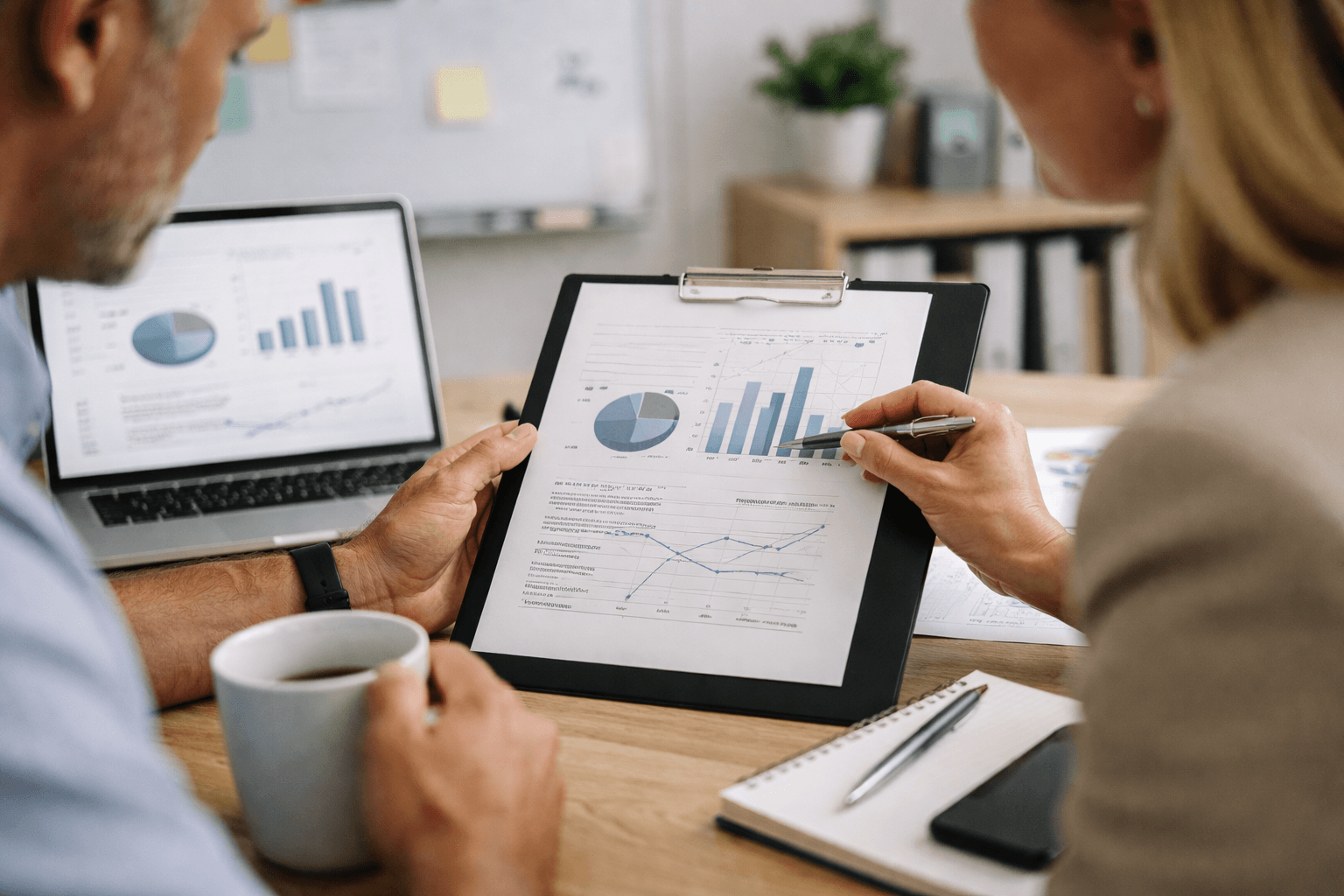
The common misconception is that business coaching improves operational efficiency simply by introducing better systems, tools, or tactics. This is not the case.
Michael Porter, a leading authority on competitive strategy and operational effectiveness, distinguishes between strategy and operational effectiveness. He notes that operational effectiveness is about performing similar activities better than rivals, but it requires discipline and focus, not just new methods or quick fixes (Harvard Business Review).
Jim Collins, author of Good to Great, emphasises “disciplined leadership” and “execution” as the drivers that separate successful companies from the rest.
In practice, effective coaching leads to:
- Sharper decision-making: Owners learn to prioritise what matters most instead of chasing every opportunity or problem
- Clearer priorities: Coaching helps strip away distractions and surface the critical few goals that drive performance
- Consistent accountability: Regular check-ins with a coach ensure leadership follows through on commitments and adapts plans based on results
I regularly speak to owners who expected coaching to deliver new tactics but found that “what actually unlocked efficiency was finally having someone challenge their priorities and hold them accountable week after week.”
Operational efficiency improves when coaching forces behavioural and structural change inside the leadership team. This creates focus across planning, execution, and leadership attention, which then cascades through the organisation.
How does the fit between coach and business affect outcomes?

Many owners come out of group coaching programs motivated but unchanged operationally. I often observe that owners only see real movement once coaching becomes personalised and execution-focused.
This highlights a critical factor: fit. The right coaching relationship depends on alignment between the coach’s expertise, the business’s stage, industry, and specific challenges.
Generic programs and frameworks are rarely effective on their own because:
- They do not address unique business complexities
- They lack ongoing, tailored accountability
- They do not adapt as the business evolves
Sustainable improvement depends on leadership alignment and interventions tailored to the business, which is exactly what generic programs cannot provide.
Your Small Business Coach stands out in this context by pre-vetting coaches for real-world experience, proven client results, and industry specialisation. This reduces the risk of misalignment, which is costly in time, money, and momentum.
Choosing a coach based on marketing presence, credentials, or price alone often leads to disappointment. Focusing on fit ensures coaching directly addresses the root causes of inefficiency in your business.
Why do many Australian SMEs fail to improve efficiency despite coaching?

The Australian business coaching industry is largely unregulated. This means many coaches advertise services without proven outcomes, which creates confusion and risk for business owners.
Some common patterns explain why coaching often fails to improve operational efficiency:
- Scattered leadership attention: Many businesses stall not because they lack ideas, but because leadership attention is scattered. Without focus, improvements cannot stick.
- Over-reliance on systems alone: While systems matter, they do not replace sharp decision-making or accountability.
- Choosing coaching based on hype or price: Owners often pick coaches with the flashiest marketing or cheapest rates, which rarely correlates with results.
- Using group coaching as a full substitute for personalised support: Group programs can motivate but lack the tailored execution focus needed for real change.
Management practices such as clear goals, frequent feedback, and accountability directly influence productivity.
Effective coaching incorporates these principles to create behavioural change, not just provide advice.
How can business owners evaluate if coaching will improve their operational efficiency?
Evaluating business coaching options requires a clear decision filter beyond price, credentials, or marketing claims.
Your Small Business Coach offers a unique approach tailored to established Australian SMEs. The platform rigorously screens coaches based on the following:
- Real-world experience with similar businesses and industries
- Proven client outcomes in revenue growth, profit improvement, operational efficiency, and leadership development
- Coaching methodology focused on execution and accountability
For owners, this means:
- Less time wasted on trial-and-error or unsuitable programs
- Greater confidence that coaching will address specific operational bottlenecks
- Access to personalised coaching matched to business stage and complexity
Owners should ask potential coaches:
- How have you helped businesses like mine improve operational efficiency?
- What specific changes in leadership behaviour or structure do you focus on?
- How do you ensure accountability and follow-through between sessions?
Avoid coaches who rely heavily on generic frameworks without adapting to your context or who cannot provide evidence of measurable results.
What role do leadership focus and accountability play in driving efficiency?

Operational efficiency is a leadership challenge. Research and practical experience show that leadership focus and accountability are the levers that unlock productivity gains.
Michael Porter’s work reminds us that operational effectiveness requires disciplined leadership, doing many things well but focusing on what truly matters.
Jim Collins writes about the “Stockdale Paradox”: confronting brutal facts while maintaining unwavering faith in success, which demands clear priorities and relentless execution.
Once focus improves, operational efficiency tends to follow. Leadership must:
- Set clear, realistic priorities aligned with business goals
- Maintain discipline in execution and decision-making
- Hold themselves and their teams accountable to deliver results
Business coaching that reinforces these behaviours creates lasting operational improvements, unlike one-off advice or generic training.
How does Your Small Business Coach support better coaching decisions?
Your Small Business Coach is an Australian platform dedicated to connecting small business owners with pre-vetted, results-driven business coaches. This focus is vital in an unregulated industry where choosing the wrong coach can cost significant time and money.
Key features include:
- Coaches extensively vetted for experience, client results, and industry specialisation
- A matching process that considers business stage, complexity, and leadership needs
- Emphasis on coaching approaches that drive measurable operational efficiency improvements
This approach reduces risk and accelerates outcomes compared to open marketplaces or self-directed searches.
According to the brand’s website, Your Small Business Coach does not sell coaching programs or rank providers. Instead, it acts as a trusted matchmaker and risk eliminator, helping owners make smarter, faster coaching decisions.
What actually determines whether coaching improves SME productivity?
Coaching improves SME productivity only under certain conditions.
SMEs benefit most from coaching that is personalised, focused on execution, and linked to clear performance metrics.
Management quality and leadership accountability matter more to productivity growth than system upgrades or additional tools.
Conclusion: What should Australian SME owners take away about business coaching and operational efficiency?
Operational efficiency is critical for Australian SMEs facing rising pressures. Improving it is not about adding more tools or chasing the latest frameworks.
The real change comes from sharper decision-making, clearer priorities, and consistent accountability fostered by the right business coaching relationship.
Fit matters more than credentials, price, or marketing claims. A personalised, execution-focused coach who understands your business stage and industry challenges can unlock real improvements.
Your Small Business Coach offers a unique, risk-reducing way for Australian SME owners to find that fit. By connecting you with pre-vetted, results-driven coaches, it saves time, avoids costly missteps, and accelerates operational gains.
Better leadership focus and accountability, not quick fixes, drive operational efficiency. Choosing the right coaching approach with clarity and caution safeguards your time and momentum.
FAQ
What are common mistakes Australian SMEs make when choosing business coaches?
Many owners pick coaches based on price, marketing hype, or credentials without verifying real-world results or fit. This often leads to wasted time and no operational improvement.
How quickly can business coaching improve operational efficiency?
Improvements depend on the business and leadership readiness but typically require sustained coaching focused on accountability over several months to see measurable results.
Can group coaching replace personalised business coaching?
Group coaching can motivate but usually lacks the tailored support and ongoing accountability needed to change leadership behaviour and improve operational efficiency.
How can I tell if a coach is a good fit for my business?
A good fit means the coach understands your industry, business stage, and specific challenges. They focus on execution, hold you accountable, and have proven client outcomes relevant to your needs.
Is investing in business coaching worth the cost for Australian SMEs?
When coaching is properly matched and focused on operational efficiency, it delivers ROI by freeing up leadership time, improving productivity, and increasing profitability. The key is avoiding mismatched or generic coaching.
Where can I find reliable business coaching options in Australia?
Platforms like Your Small Business Coach pre-vet coaches for experience and results, reducing the risk of costly mistakes common in unregulated markets.
By understanding what drives operational efficiency and how targeted business coaching works, Australian SME owners can move from busy to effective with confidence.